
Before You Plant
Map doors, fences, existing trees, and daily routes before shaping the layout.
Study sun exposure, shade patterns, soil moisture, and movement before buying plants.
Sketch paths, borders, seating areas, and planting beds with rough measurements.
Choose plant groups by mature size, texture, watering needs, and seasonal interest.
The Garden Framework
OBSERVE
Walk the site, note sunlight, damp corners, wind, existing trees, and how people move through the space.
ZONE
Separate seating, pathways, planting beds, lawn, storage, and focal points before adding decorative details.
ARRANGE
Test bed shapes, path curves, plant heights, and repeated textures on paper before digging or planting.
CHECK
Review spacing, mature size, watering, pruning access, and seasonal
gaps so the plan stays practical.
The Course Approach
Practice noticing shade, sun, slopes, fences, windows, and existing hardscape before shaping the garden layout.
Use rough measurements, graph paper, tracing paper, and simple plan copies to compare possible bed and path options.
Compare shrubs, perennials, grasses, and groundcovers by height, spread, care needs, texture, and bloom season.
Learn how to keep patios, courtyards, front gardens, and narrow borders useful without crowding every
corner.
Practice repetition, layering, proportion, color restraint, and focal points so planting choices feel connected.
Build maintenance access, watering needs, mulch areas, pruning space, and seasonal review into the plan early.
Practice Focus Areas

Sun And Soil

Paths And Zones
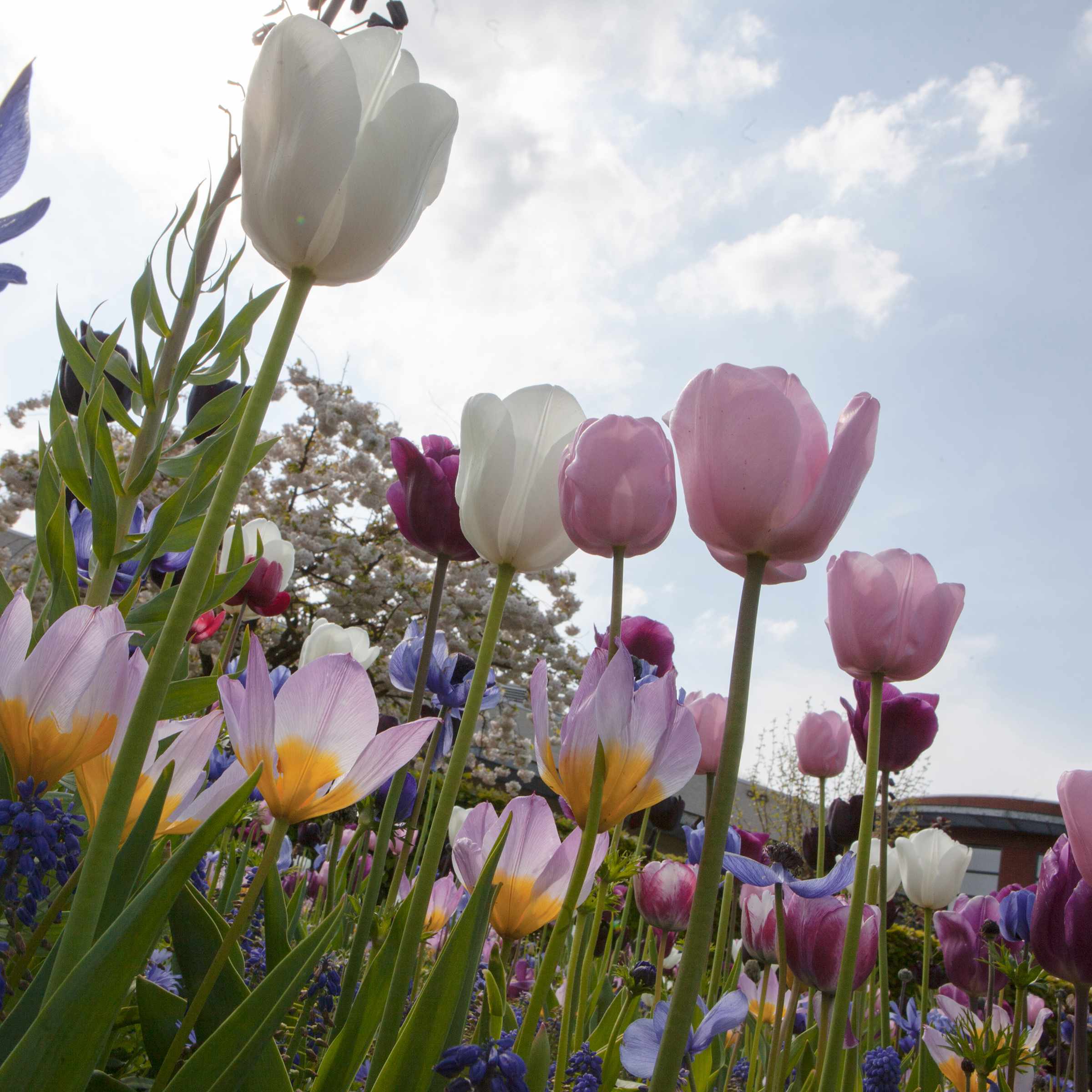
Plants And Care
Guesswork vs. Garden Reading
GUESSWORK
— Buying plants before checking soil moisture
— Drawing beds without measuring doors, fences, or paths
— Mixing too many colors, textures, and plant shapes
— Placing shrubs without checking mature size
— Forgetting access for watering, pruning, and cleaning
READING
— Site notes before plant lists or decorative features
— Clear zones for seating, paths, borders, and storage
— Repeated plant groups with controlled texture and rhythm
— Spacing based on mature height and spread
— Practical checks for care, movement, and seasonal interest